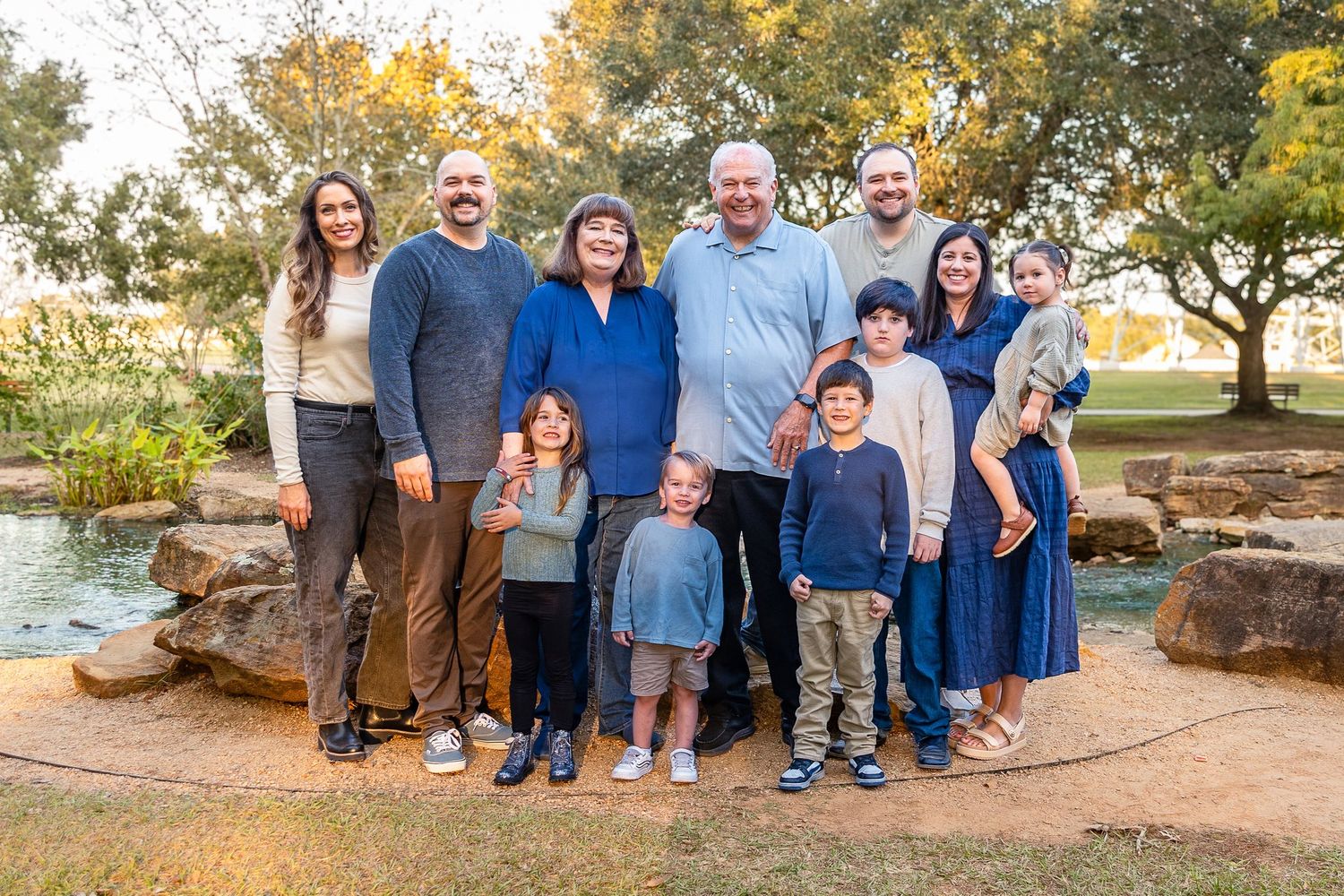
Family reunions bring a mix of energy, movement, and connection that’s hard to replicate. But getting natural photos at these events can be a challenge. People either freeze up when the camera appears or go into stiff poses that don’t match the moment. As a family reunion photographer, I’ve seen how the best images are usually the ones where people forget they’re being photographed. I show up early, stay calm, and move through the room without getting in the way so that those real moments are easy to capture.
In Houston, January tends to bring cooler weather, which makes warm indoor settings perfect for these gatherings. With everyone packed into living rooms, kitchens, or halls, there’s more opportunity to fade into the background and let the photos happen without much direction. That cozy feeling makes the pictures feel more personal too. When the environment supports a laid-back mood, people drop their guard and the real moments show up.
Help Everyone Feel Comfortable on Camera
Not everyone loves being photographed, but there are a few ways to make it easier on them. One of the strongest is helping people forget the camera’s there to begin with. That starts by inviting them to focus on each other instead of on the lens.
Natural smiles and movements usually come from real interactions. When people chat over snacks, tell stories, or lean into a laugh mid-sentence, there’s no need to force a pose. These in-between moments of joy and reaction tell a clearer story than any staged photo ever could.
To make it easier for people to relax, I usually give space and avoid interrupting. Group shots have a time and place, but too many posed photos in a row can wear people out. Instead, I prioritize comfort by blending into the activity. Here are a few ways to support a natural feel:
• Let people engage with each other, not the camera
• Avoid calling attention to the camera’s presence
• Stay patient and let moments unfold before photographing them
Capturing what a moment feels like is always better than just showing what it looked like.
Use Familiar Settings to Your Advantage
Photographing in places people already feel connected to can make all the difference. A family kitchen, a well-used backyard, or a cozy living room already brings built-in comfort. These familiar places help people act like themselves and not like guests being watched.
I like to walk the space early and look for corners or angles that show signs of lived-in comfort. Bookshelves with family photos, kids’ drawings on the fridge, or a well-used couch say as much about the reunion as the people in it. The right details tell the bigger story without needing explanation.
Lighting plays a role too. Big windows or warm lamps work better than bright overhead lights or flashes. Harsh lighting often breaks the mood and makes people act differently. When working inside, here are a few practical moves that keep the setup feeling natural:
• Use available light like lamps or windows instead of flash
• Avoid decluttering too much, familiar messes help the scene feel real
• Look for textured background elements that tie to family traditions or stories
Familiar surroundings encourage natural behavior with very little effort.
Give Loose Direction Without Over-Posing
There’s nothing wrong with offering some direction now and then. A quick suggestion like “get closer” or “look toward your cousin” can bring people into better light or framing. But forcing things too tightly often makes people stiff or unsure about what to do.
Loose direction keeps the dynamics open. It gives space for movement, for smiles that happen naturally, and for quick shifts if kids start playing or a new group forms. Some of the best expressions come right after a suggestion, when people turn to each other or respond with laughter.
The key is knowing when to get involved and when to step back. If something heartfelt is happening, two relatives deep in a story, children running circles around each other, it’s better to quietly move and frame rather than interrupt the flow. Loose direction works best when it gently shapes the scene without resetting it. A few tips I rely on:
• Offer gentle cues, not strict instructions
• Keep family members talking or interacting during group shots
• Step away once the connection starts and let it play out naturally
Subtle guidance helps keep photos relaxed while still framing the moment well.
Focus on Details That Tell the Bigger Story
Big group shots are useful, but the most meaningful images usually come from the small things. A hand squeezing another during a laugh, plates being passed across the table, or a quiet moment between two relatives can say more about the day than a dozen wide shots ever could.
I try to notice what’s happening in the background while others pose or move around. A lot of moments go unseen or unphotographed simply because no one was paying attention. Looking for the little stuff helps keep the images honest and grounded.
Here are the kinds of details that make family reunion photos feel rich and layered:
• Hands arranging food or playing with napkins
• Grandparents watching from a distance
• Barefoot kids dragging toys down the hall
• Inside jokes that show up only in expressions
These smaller pieces come together to shape the bigger memory.
The Joy Is in the Moments You Don't Plan
It’s easy to focus on checking off a shot list, especially at a family reunion where people want documentation of who showed up. But the real value often hides in the surprises. When a toddler wraps their arms around a grandparent without prompting, or someone bursts into laughter after an old story gets retold, those are the images that bring people back to how it felt to be there.
This kind of moment doesn’t ask for a setup. It waits for patience, for subtle movement, and for enough quiet that people feel they can be themselves. The more space I give, the more likely it is that the camera catches something real.
Most of the photos that matter don’t look perfect. One person might be talking, another walking out of frame, and a third facing the other direction. But if something honest is happening, that’s the image that lasts. All it takes is some care, readiness, and the decision to press the shutter before it’s gone. After your reunion, I deliver fully edited, high resolution images in a private online gallery, usually within three to seven days, so your family can view, download, and share favorites when the memories are still fresh.
Planning a get-together in Houston deserves photography that brings those memories to life. As your trusted family reunion photographer, we focus on capturing the honest moments, genuine laughter, and meaningful connections that matter most to your family. At Julian Cavazos Photography, our approach is always low-key and relaxed, so you can enjoy every moment together without worrying about stiff poses. Reach out to start a conversation about photos for your next reunion.