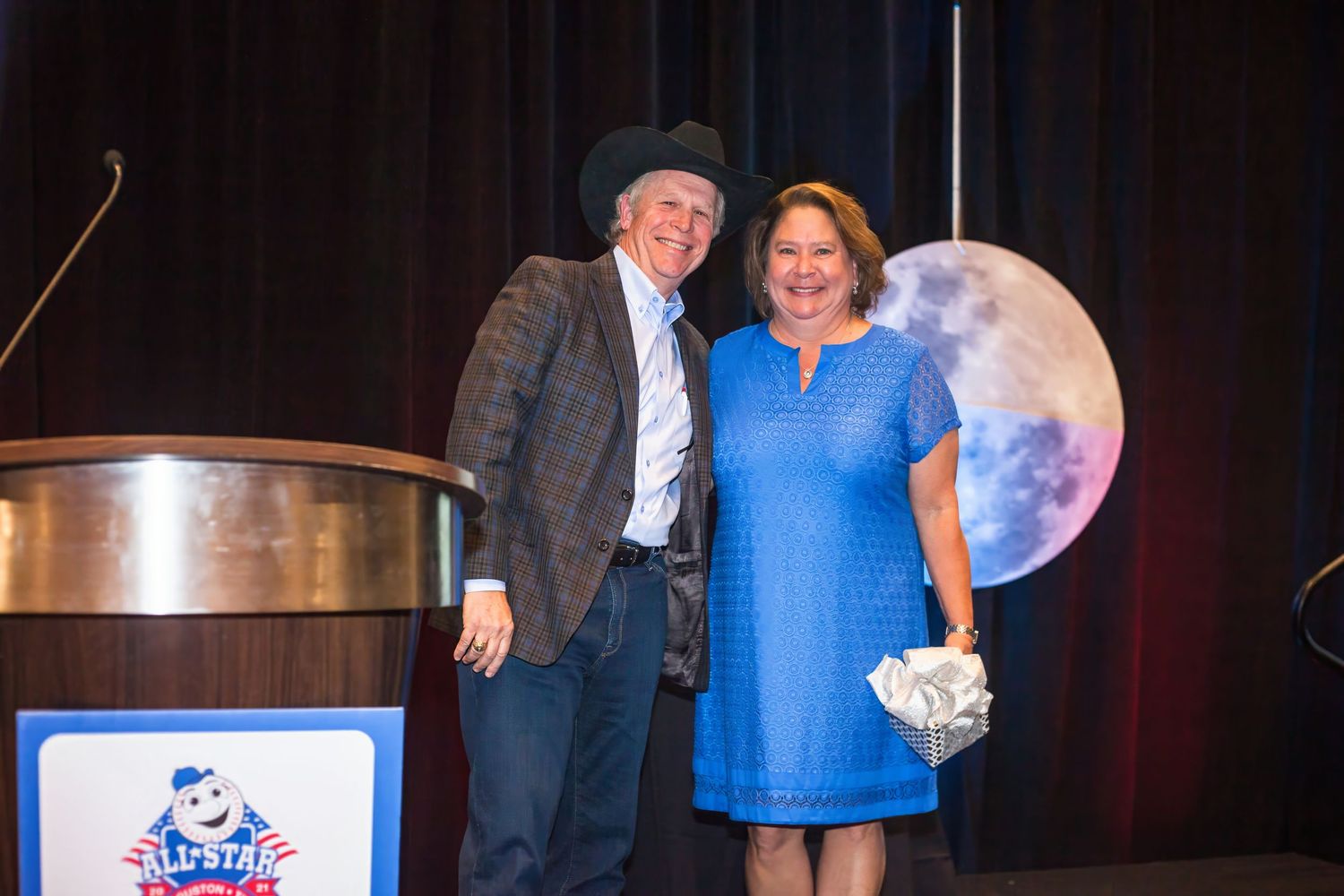
Lighting is one of the most powerful tools in a photographer's kit when it comes to capturing unforgettable event photos. Whether it's the natural rays of the sun or the flash of artificial lights, using these elements effectively can turn an ordinary photo into an extraordinary one. In Houston, where the light can vary throughout the day, knowing how to work with different lighting conditions can make a significant difference in the quality of your event photos.
Great lighting plays a crucial role in setting the mood and highlighting the subjects in each shot. By learning a few simple techniques, you can bring out the vibrant details and genuine emotions at any event, making the entire experience even more memorable. So, let's explore some essential lighting tips that can help elevate your event photography skills, particularly under the unique lighting conditions of Houston.
Understanding Natural Light
Natural light is a fantastic resource for photographers, offering a soft and warm glow that's perfect for capturing candid moments. When you harness the power of natural light, you're able to add depth and emotion to your photos that artificial light might not easily replicate. In Houston, with its sunny climate, taking advantage of natural light can lead to stunning, natural-looking images.
Here are some benefits and ways to use natural light in your event photography:
- Warmth and Softness: Natural light often provides a warm, soft quality that's ideal for portraits and intimate shots. It helps in capturing skin tones beautifully and creates a flattering effect for subjects.
- Golden Hour Magic: The golden hour, which occurs shortly after sunrise or before sunset, offers dreamy lighting conditions. In Houston, this time casts a gentle, golden hue that enhances the natural beauty of photos without needing additional effects.
- Access and Flexibility: Using natural light allows you to move freely without complicated setups. This flexibility is especially handy during outdoor events, permitting you to capture spontaneous moments naturally.
To make the most of natural light, it's important to be mindful of the time of day. Midday sun might be harsh and create unwanted shadows, so opting for morning or late afternoon can often yield the best results. Positioning your subjects with the light source behind you can also help in reducing glare and capturing the subjects lit accurately. Remember, the goal is to use the available natural light in a way that complements the ambiance of the event and captures genuine expressions.
Using Artificial Light
While natural light is fantastic, sometimes you'll need to turn to artificial sources to get just the right glow. This is where knowing how to use flash and studio lighting becomes essential. Artificial light can give you more control, allowing you to shape and direct light precisely where you want it. Here are some guidelines to make artificial lighting work for you:
- Flash Techniques: Utilize bounce flash to avoid harsh shadows. Pointing the flash towards the ceiling or a wall can diffuse the light, creating a softer effect on your subjects.
- Studio Lighting Options: Consider portable softboxes or LED panels, which provide consistent lighting. They're great for illuminating subjects evenly and prevent the harshness you might get from a bare bulb.
- Avoiding Common Mistakes:
- Overexposure: Be careful not to overpower the scene. Sometimes, less is more with artificial light.
- Red-eye: When photographing people, place the flash off to the side to minimize this distracting effect.
The key with artificial lighting is to experiment and find what suits the mood of the event. Always be ready to adjust settings based on the atmosphere and desired effect.
Combining Natural and Artificial Light
Combining natural and artificial light can offer the best of both worlds, providing beautiful, balanced images that capture the magic of an event. Mixing these elements requires a bit of practice but can significantly enhance your photography:
1. Assess the Scene: Start by evaluating the natural light available. Identify where shadows fall and the dominant light sources in the area.
2. Layer Your Lighting: Use artificial light to fill shadows or emphasize particular elements without overpowering the natural ambiance.
3. Camera Settings: Adjust your ISO, aperture, and shutter speed to accommodate both types of light. It’s critical to avoid excessive brightness or darkness.
4. Practice Light Blending: Try different flash strengths and angles to achieve a harmonious blend. Moving the flash or artificial light source closer or further away can dramatically change the scene's dynamics.
By thoughtfully combining light sources, you can create photos that are not only technically sound but also capture the spirit of the moment.
Adapting to Different Lighting Conditions
Every event presents its own unique lighting challenges—whether it's a dimly lit venue or a brightly lit outdoor setting. Handling various conditions demands flexibility and quick thinking, here’s how to tackle some common scenarios:
- Low Light Situations: Increase your camera’s ISO setting and use a slower shutter speed. Be careful to avoid camera shake by using a tripod or stabilizing your camera against a surface.
- Backlighting: If your subject is backlit, use fill flash or adjust the exposure settings on your camera to ensure the subject is well-lit.
- Harsh Lighting: Midday sun can create sharp shadows. Diffuse the light with reflectors or seek shaded areas for softer illumination.
Adjusting to these conditions involves knowing your gear well and being prepared to tweak settings on the fly. Furthermore, getting comfortable with different techniques will allow you to confidently handle any lighting that comes your way.
Summing Up Great Lighting Techniques
Lighting, whether natural, artificial, or a combination of both, is your ally in capturing stunning event photos. By understanding how to harness and manipulate light, you're well on your way to creating images that draw attention and tell a story. Approaching every event with curiosity and a willingness to adapt will not only improve your skills but also result in a diverse portfolio showcasing your creativity.
Whether you’re shooting at a glitzy downtown Houston location or a relaxed backyard gathering, these tips help you make informed decisions about lighting, emphasizing the beauty of each moment. So grab your camera, test out different strategies, and watch how great lighting turns your shots into amazing keepsakes.
Capturing the essence of an event in Houston is all about mastering lighting techniques that highlight each precious moment. If you're looking to enhance your skills and take your photography to the next level, explore how Julian Cavazos Photography can assist you with event photography in Houston. I'm here to help you seize the perfect shot and create lasting memories with the right lighting choices.


